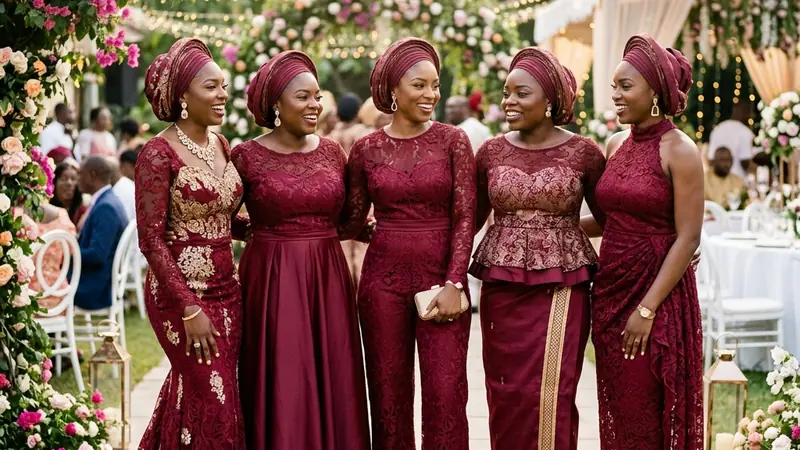

You saved for it. You waited weeks for the tailor to finish it. You wore it once, felt unstoppable — and now it is hanging in your wardrobe, and you are quietly terrified of ruining it. Sound familiar?
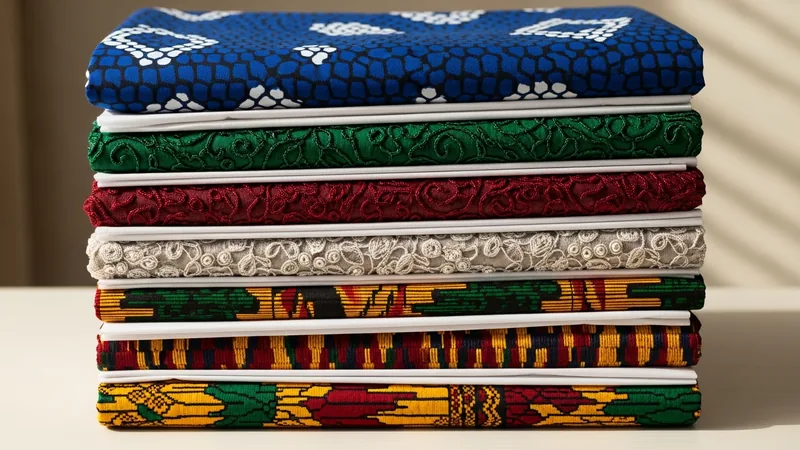
Here is the good news: African fabrics are built to last generations. Aso-oke gowns are passed down from mother to daughter. A good lace can outlive the occasion it was bought for many times over. But longevity is not automatic — it depends entirely on how you care for African fabrics once they are yours.
Treat them carelessly and the colors fade, the embellishments fall away, and the magic dulls. Treat them well, and they only get more beautiful with time. This guide shows you exactly how.
Washing: Gentle Always Wins
The single most important rule for caring for African fabrics is this — be gentle, and be cold. Hot water is the enemy. It opens the fibers, releases the dye, and is the fastest way to turn a vivid Ankara into a washed-out memory.
Hand wash wherever you can, using cold or lukewarm water and a mild detergent. Skip the bleach entirely; it eats into both color and the intricate patterns that make these fabrics special. Wash new pieces separately for the first few washes, because rich African dyes love to bleed onto everything around them.
A trick passed down through generations: add a teaspoon of salt to the water for the first wash. Salt helps to seal the dye into the fabric, locking the color in place and reducing bleeding. And when you are done, never twist or wring — press the water out gently with your hands to protect both the weave and any beadwork.
Special Care for Aso-oke and Embellished Lace
Not all African fabrics are created equal, and the most precious ones need the most patience.
Aso-oke is thick, hand-woven, and structured — it does not belong in a washing machine, ever. Hand wash it gently or, better still, take it to a trusted dry cleaner who understands traditional textiles. The same goes for heavily beaded or stoned lace and George wrappers; the embellishments that make them spectacular are also fragile, and a machine cycle will tear them loose in minutes.
For these statement pieces, less washing is more. Air them out after wearing, spot-clean small marks immediately, and only do a full clean when you truly need to. The fewer times a ceremonial piece meets water, the longer it stays flawless.
Drying Without the Damage
Sunlight feels like the natural way to dry — but for African fabrics, direct sun is a slow bleach. Hours under harsh light will lift the color right out of your favorite Ankara.
Instead, dry your pieces in the shade. Lay heavier fabrics like Aso-oke flat so they keep their shape, and hang lighter prints on a line away from direct sunlight. Turn garments inside out while they dry for an extra layer of color protection. It takes a little longer, but your future self will thank you every time you pull that piece out and the colors still sing.
Ironing the Right Way
A crisp finish makes all the difference, but the iron is where good fabrics often go to die. The fix is simple: iron inside out, and always on the correct heat.
Turning the garment inside out protects the surface color and sheen from direct contact with the hot plate. For anything with sequins, stones, or beading, use a pressing cloth — a clean, white, lint-free cotton cloth placed between the iron and your fabric. This lets you press confidently without melting embellishments or scorching delicate lace. For Aso-oke, use steam and a low-to-medium heat; let the weight of the fabric do the work rather than forcing it flat.
Storage: Where Pieces Are Won or Lost
How you store African fabrics between wears matters just as much as how you wash them. The biggest culprits are moisture, friction, and plastic.
Fold structured pieces like Aso-oke and beaded lace gently, with acid-free or white tissue paper between the layers to stop the embellishments from snagging and creasing each other. Avoid sealing garments in plastic nylon bags — they trap moisture, and trapped moisture invites mold and that unmistakable musty smell. Use breathable garment bags instead, and store everything somewhere cool, dry, and out of direct light. For your most treasured ceremonial pieces, refold them a different way every few months so permanent creases never have a chance to set.
Pieces Worth Keeping
Caring for African fabrics is not a chore — it is part of the relationship. These textiles carry history, craftsmanship, and meaning, and when you look after them properly, they reward you by lasting long enough to become heirlooms.
Wash gently and cold. Dry in the shade. Iron inside out. Store with room to breathe. Do that, and the outfit that made you feel unstoppable will be ready to do it again, year after year.
Looking for a piece worth caring for? Browse our latest collection or book a bespoke consultation and let us craft something built to last a lifetime.